If you live in Florida, there’s a good chance you have a St. Augustine Grass lawn and even if you have a lawn with mixed grass and weeds, it’s not unlikely that you have some St. Augustine growing in there somewhere. Perhaps you’re consider getting a new lawn. Well, you can’t go wrong by choosing St. Augustine grass. It’s makes for a beautiful lawn, it’s perfectly suited to our climate, it’s readily available and you’ll be among the millions in Florida to have this particular grass as it’s by far the most common turf you’ll find in the Sunshine State.
Why Choose St. Augustine? The Good and Not so Good
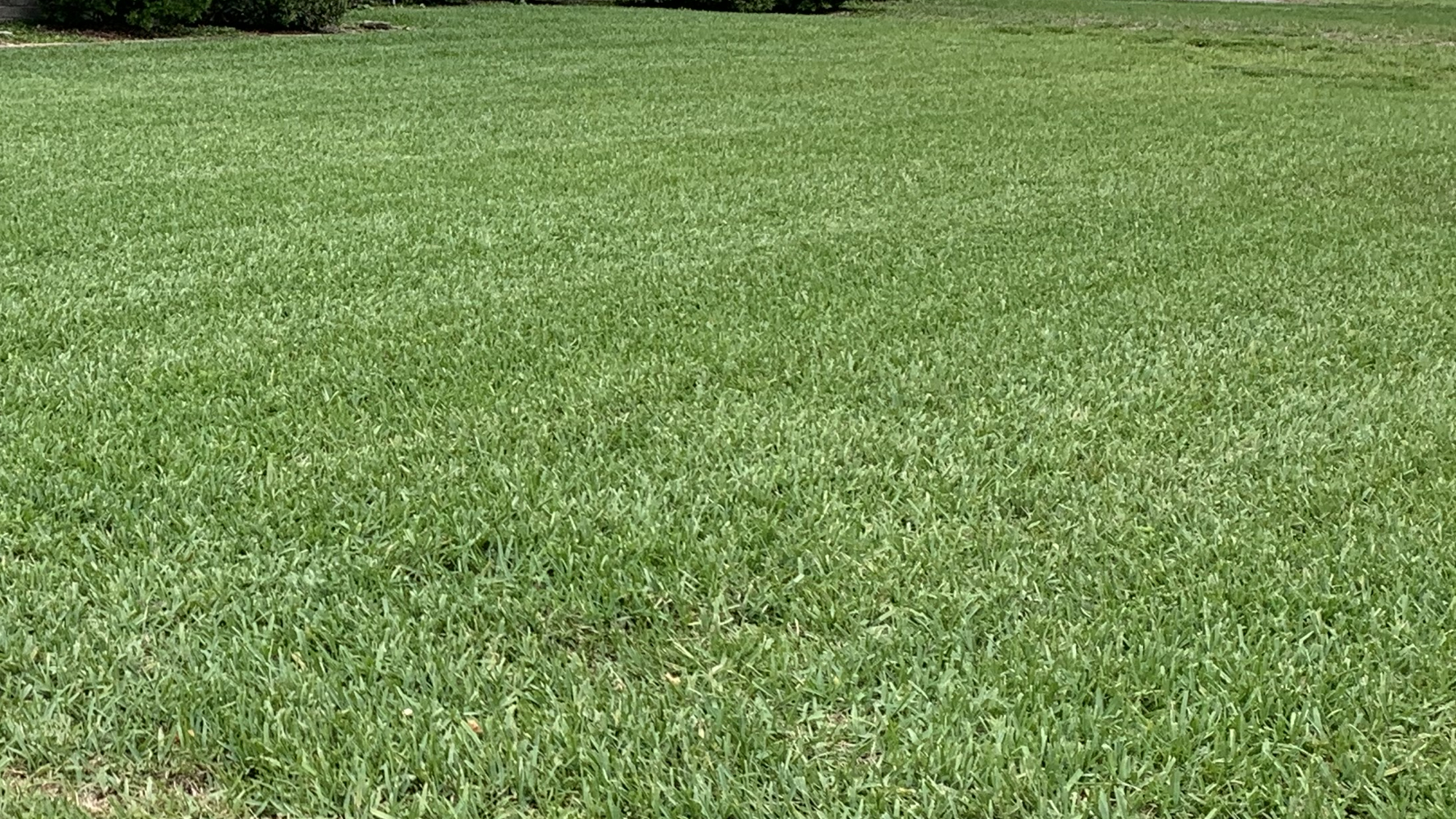
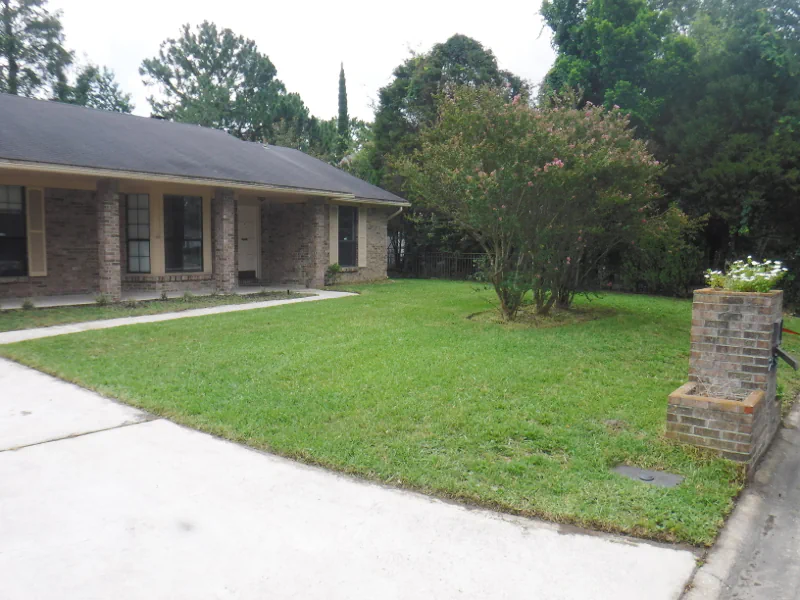
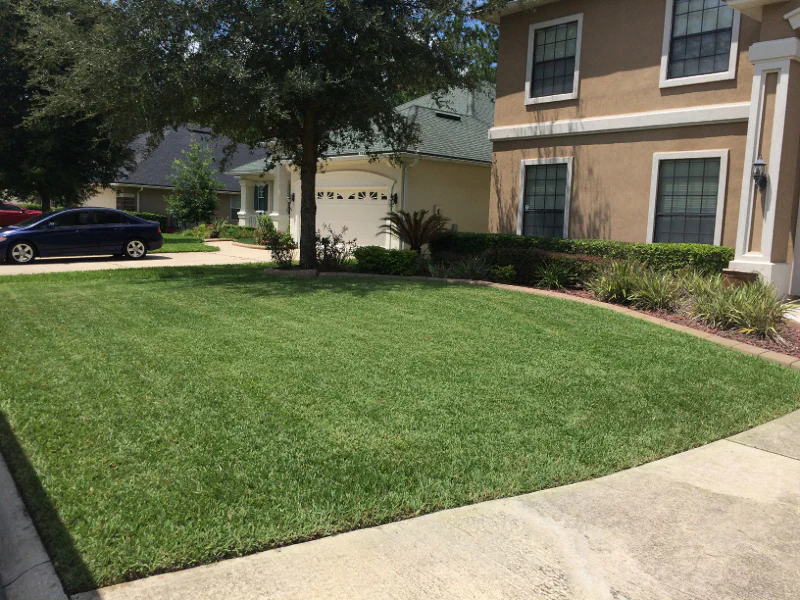
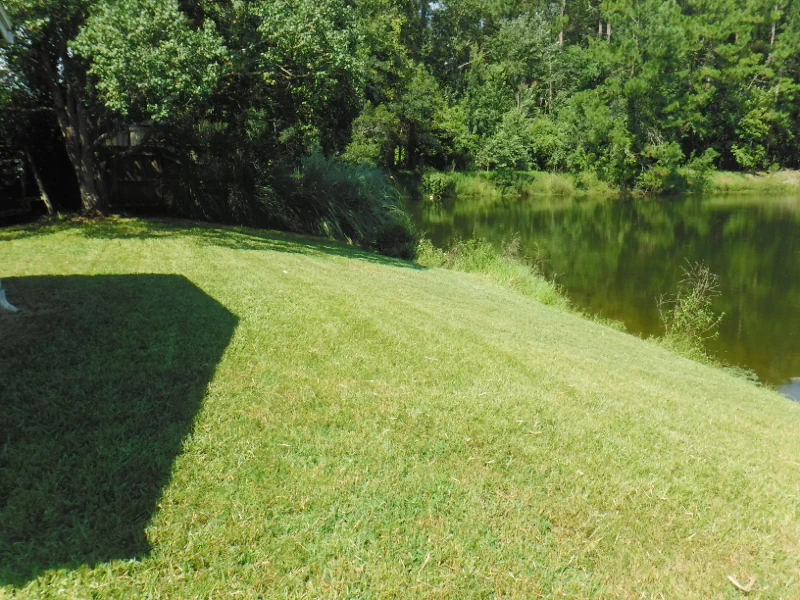
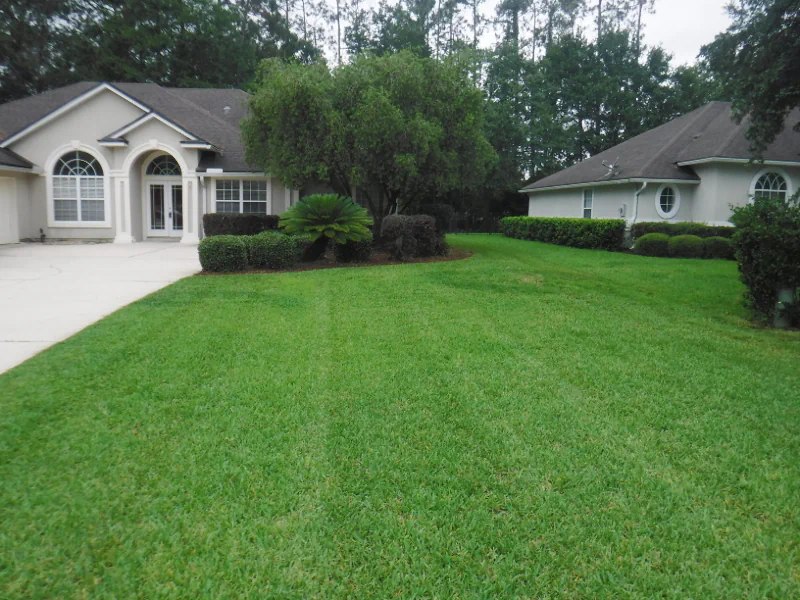
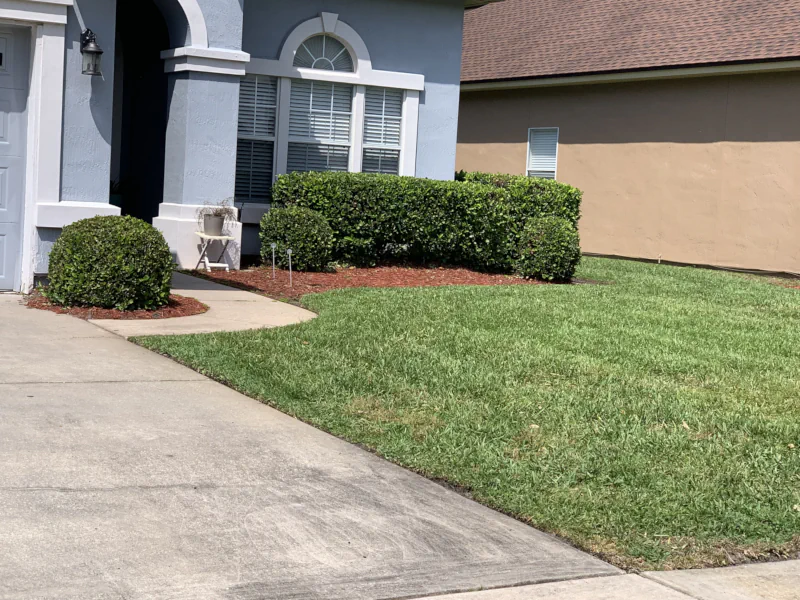
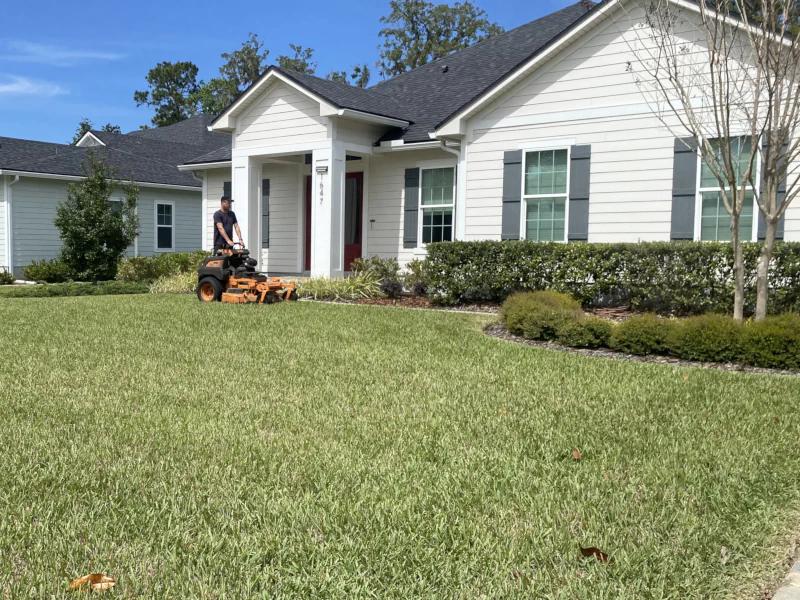
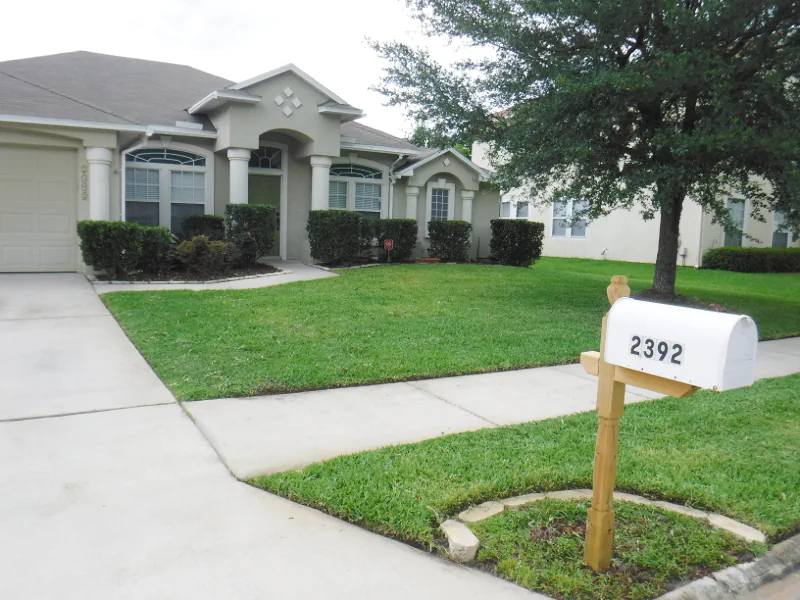
A freshly mowed St. Augustine lawn in the Orange Park Country Club.
Advantages
The course texture, deep green color and dense carpet-like growth are very attractive when properly cared for and maintained
St. Augustine is one of the most shade tolerant turf grasses that grow in our climate. If you or your neighbors have trees that broadcast shade onto your lawn for a good portion of the day then this trait is very advantageous.
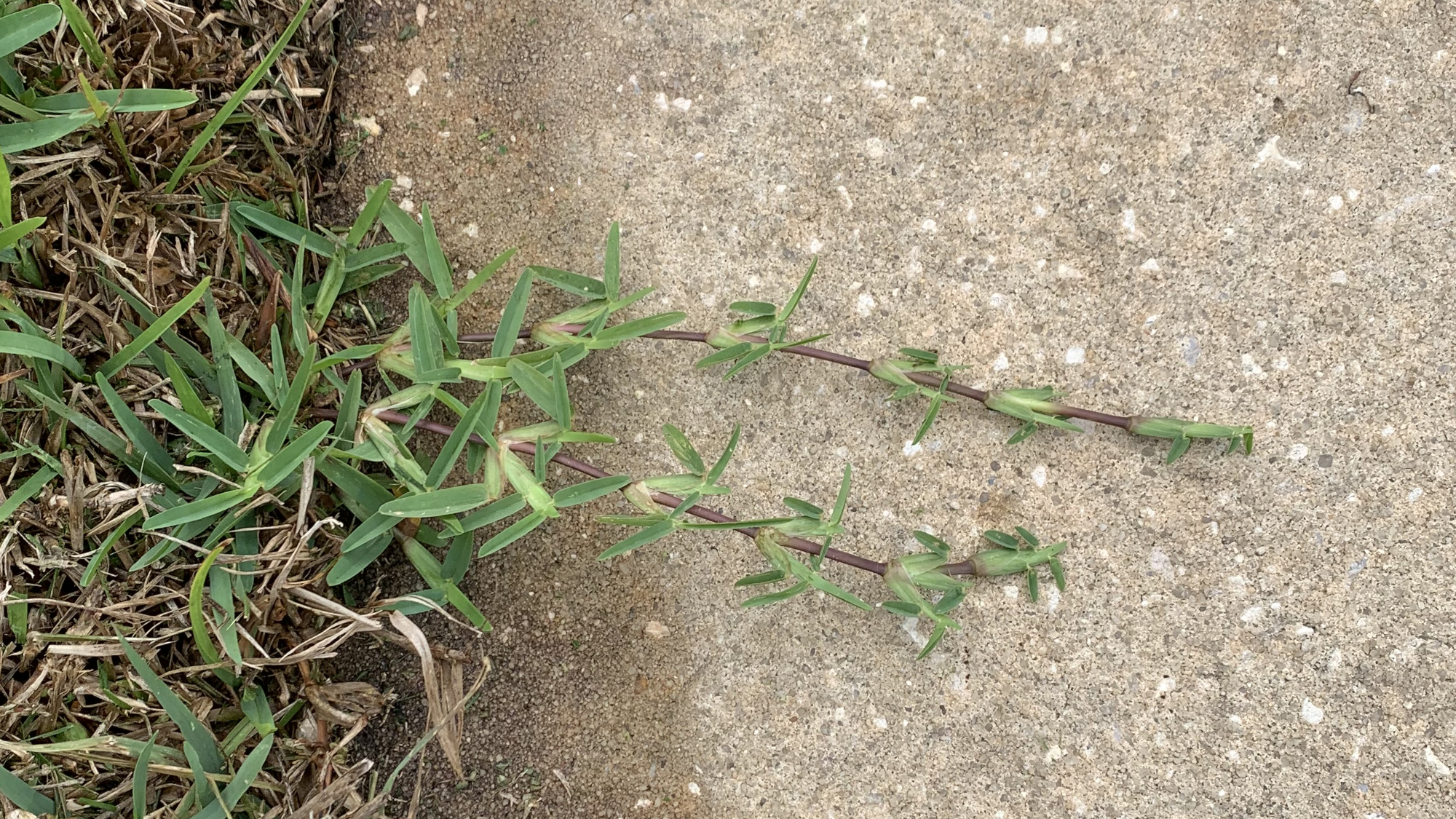
It’s easy to get established, grows and spreads quickly with fast growing runners (stolons is the technical term) that travel across the soil and root.
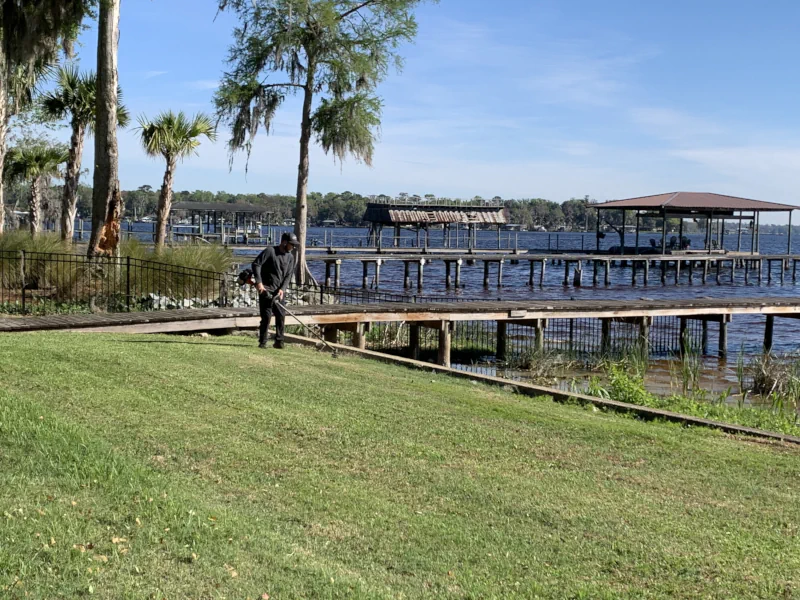
Not as important for the majority of people, but St. Augustine grass is salt-tolerant. Some of our customers live on the St. Johns River and on Doctor’s Lake, both of which contain a little salt and their lawns have no issue with the salt at all.
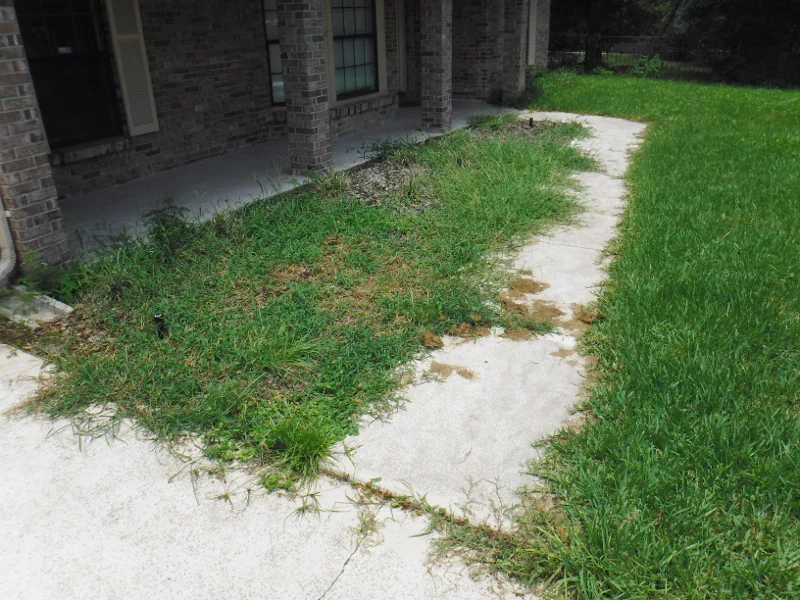
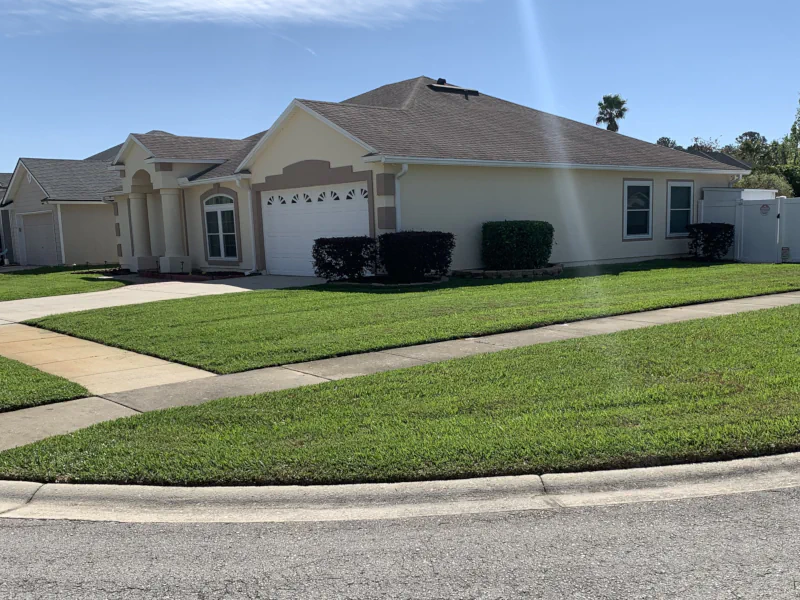
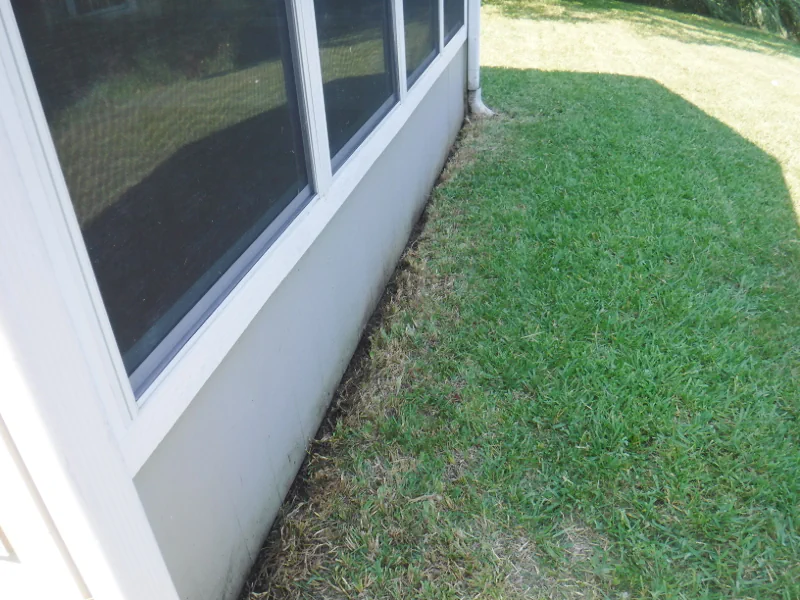
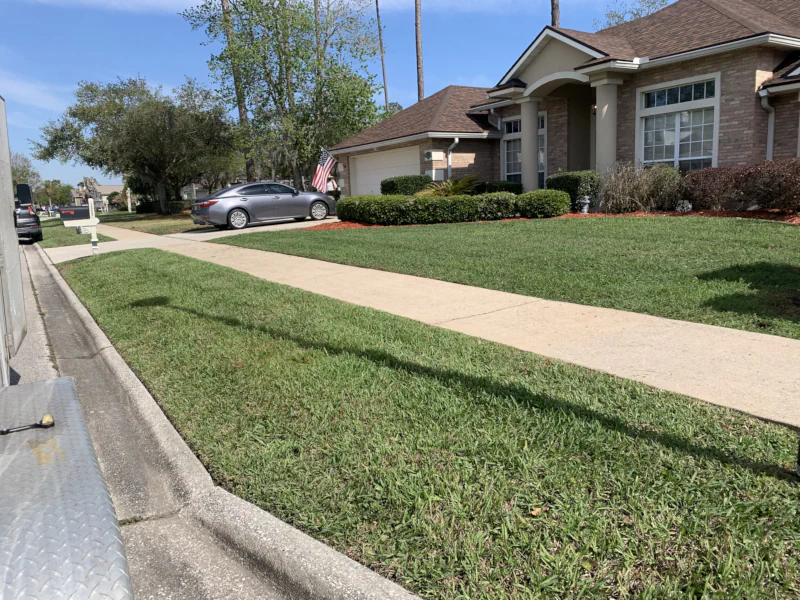
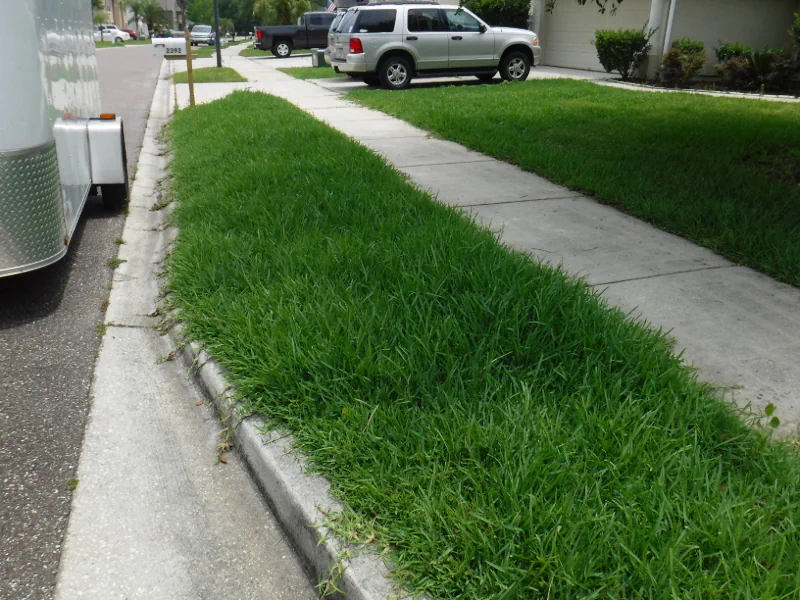
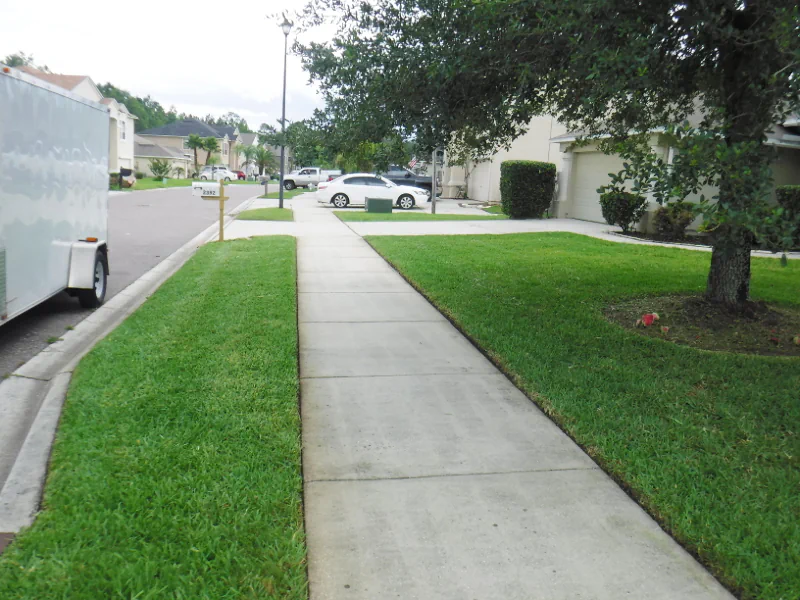
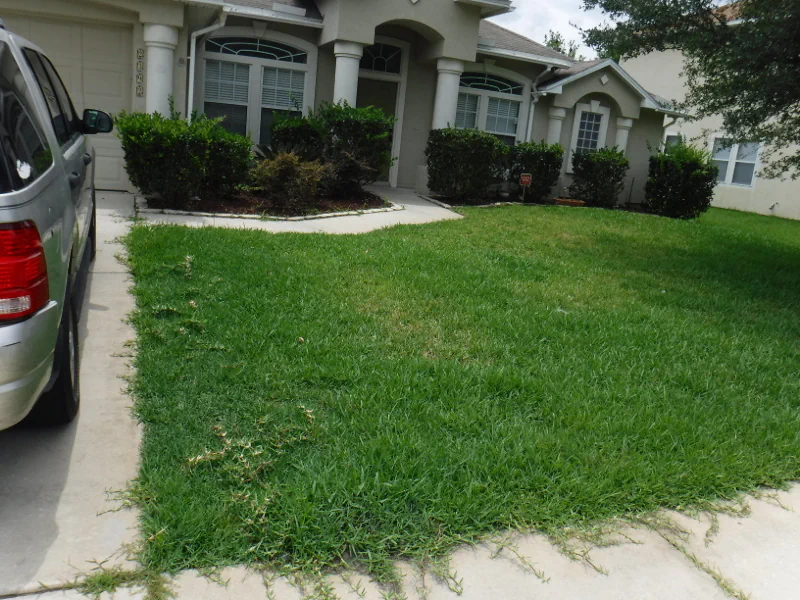
St. Augustine grass stolons creeping across a sidewalk in a Middleburg, FL neighborhood.
Disadvantages
If you want St. Augustine grass to reach it’s maximum potential then you’ll to provide it with up to a 2 inches of water each week, which can get expensive depending on the size of your yard.
It’s vulnerable to diseases such as take-all root rot, brown/large patch disease and other fungal diseases. It’s also susceptible to pests, particularly chinch bugs.
If you plan to install a new St. Augustine grass lawn, it can be quite expensive as planting from seed isn’t an option. The typical approach is to lay sod, however if you have the patience for it, planting sprigs or plugs is the only other route.
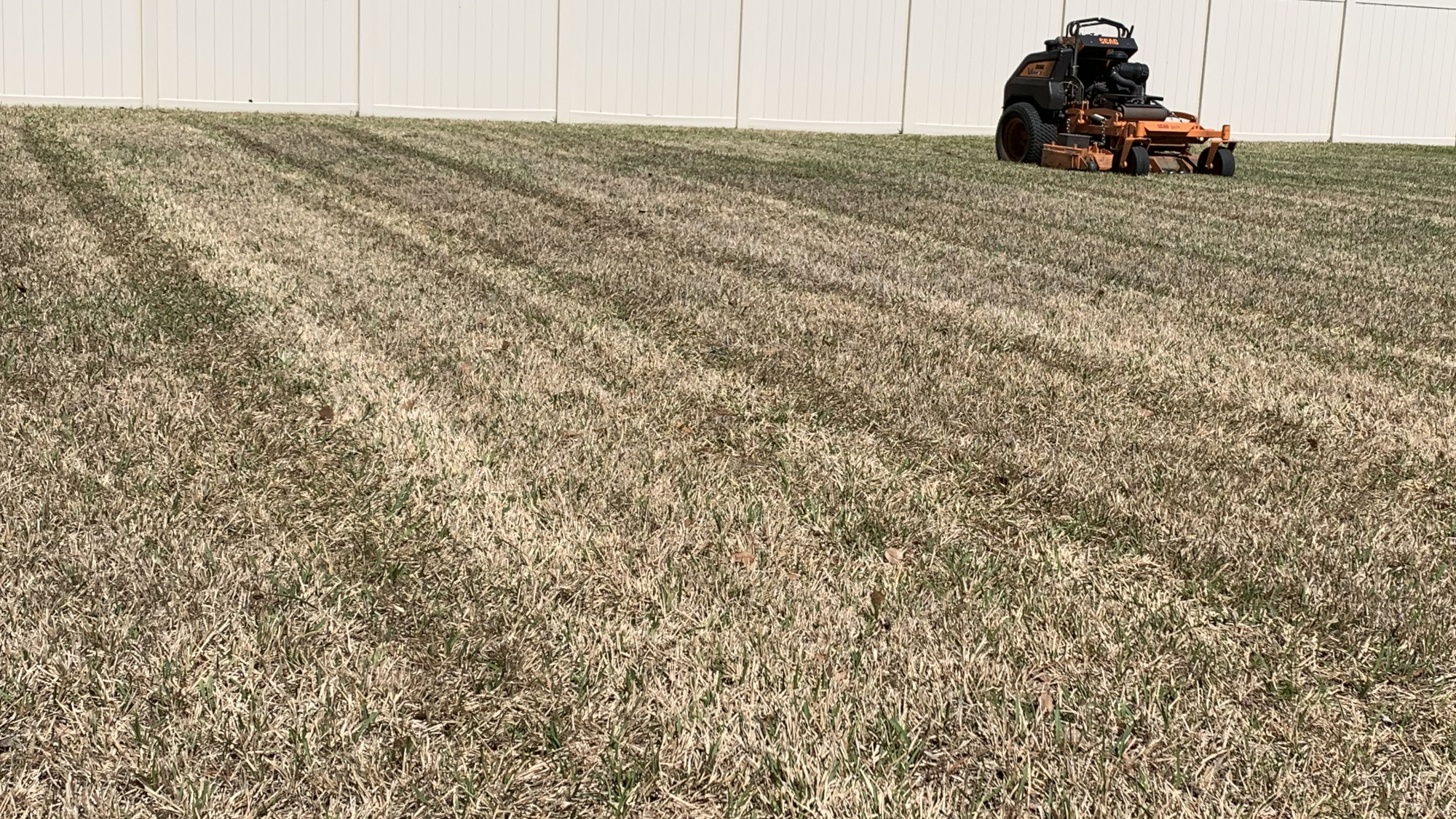
Your lawn likely won’t stay green for the entire year, even here in north east Florida. Most lawns will go at least partially dormant during the winter and won’t green up until March or even April in some cases
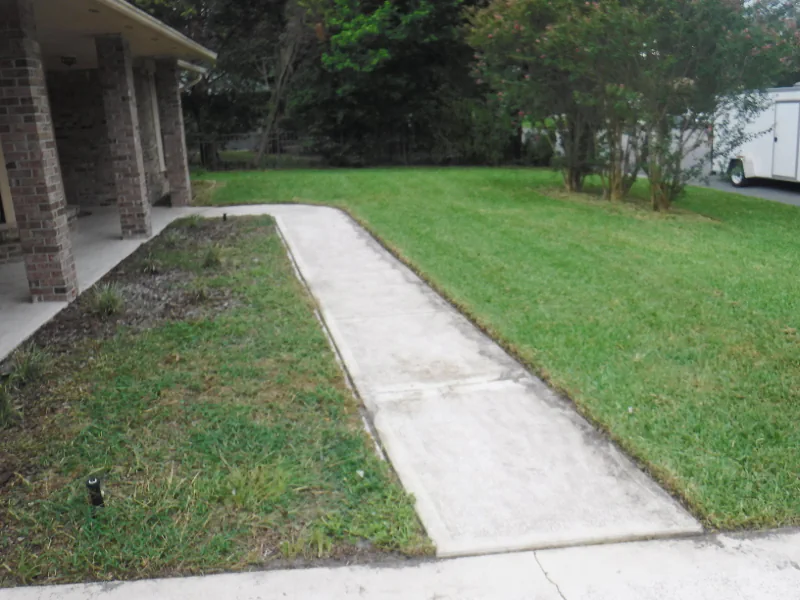
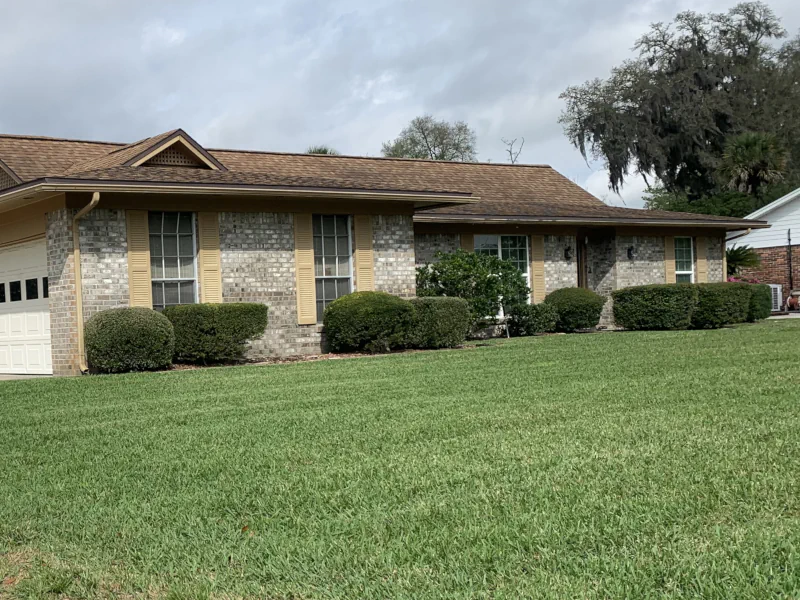
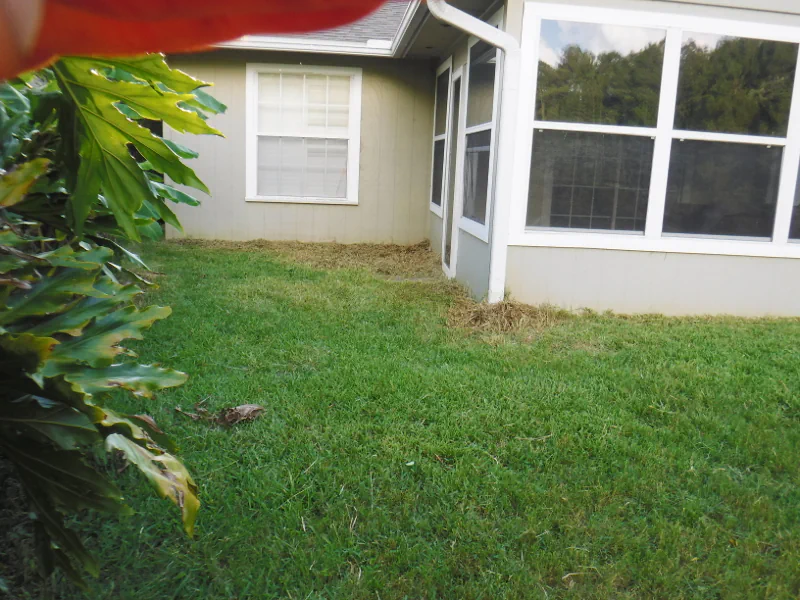
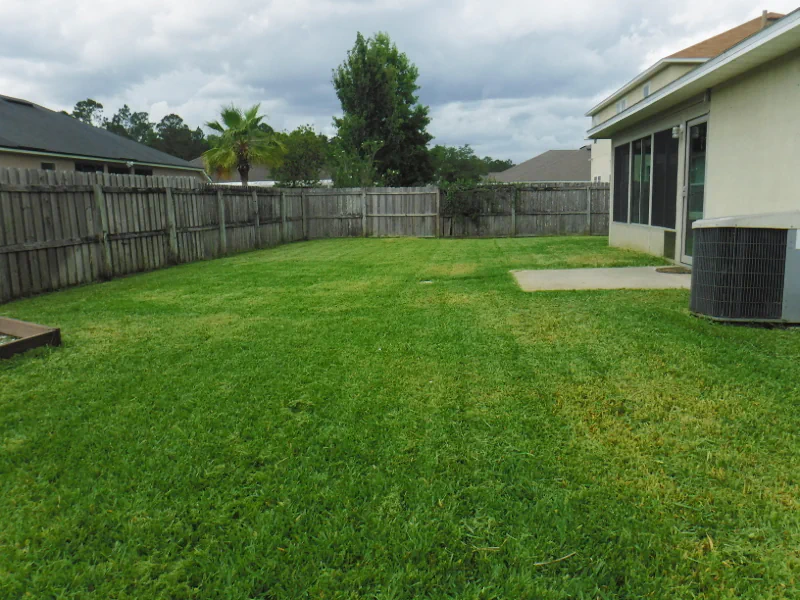
St. Augustine grass in Middleburg, FL that went dormant over the 2025-2026 winter. It's just starting to green up.
St. Augustine Grass Varieties (Cultivars)
When it comes to St. Augustine grass, it’s not the wild, naturally occurring grass that you’ll be caring for in your lawn. It will be one of the many cultivars that have been developed over the past century. Each cultivar has its own unique characteristics in terms of look, growth, climate suitability and resistance to disease and pests. The most common cultivars in our area are listed below.
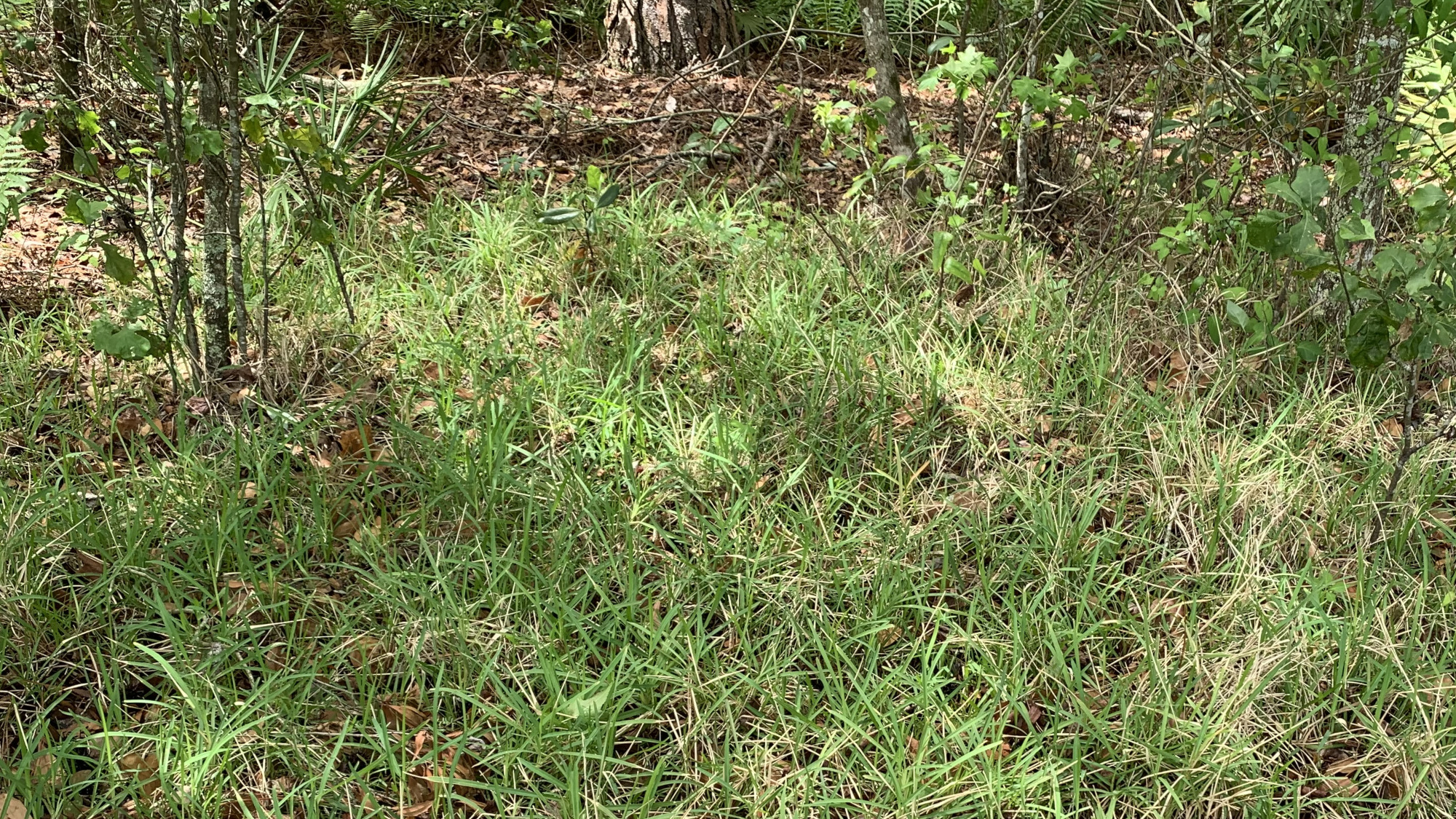
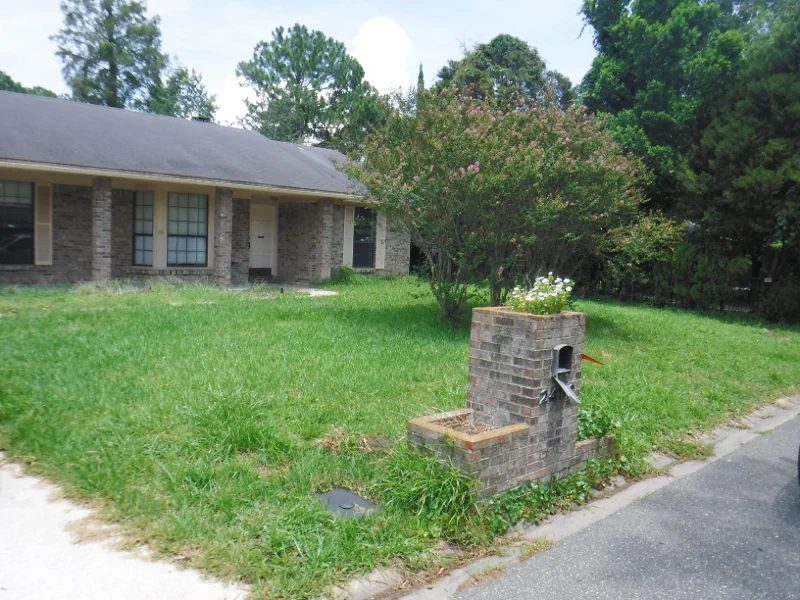
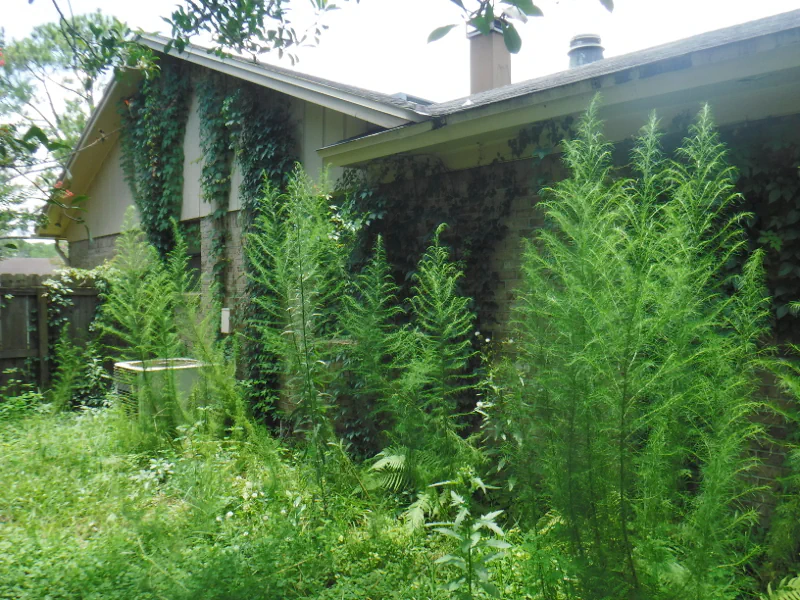
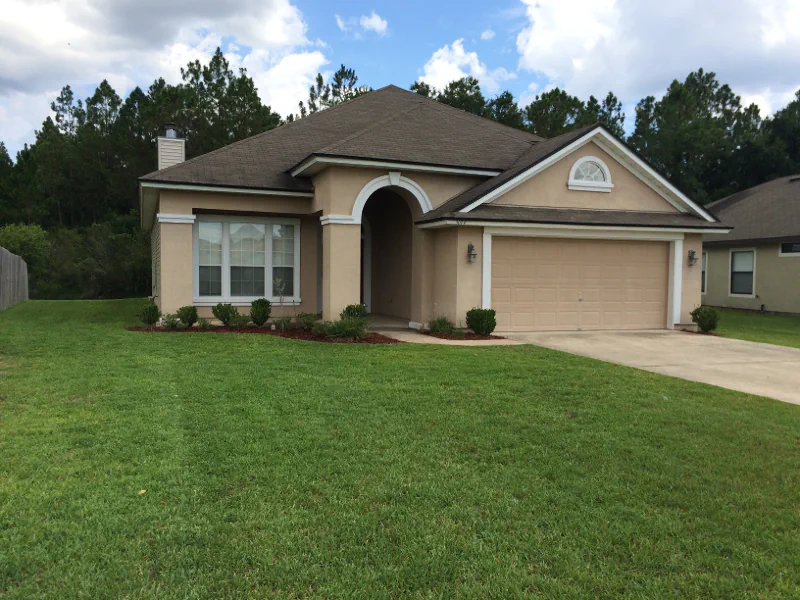
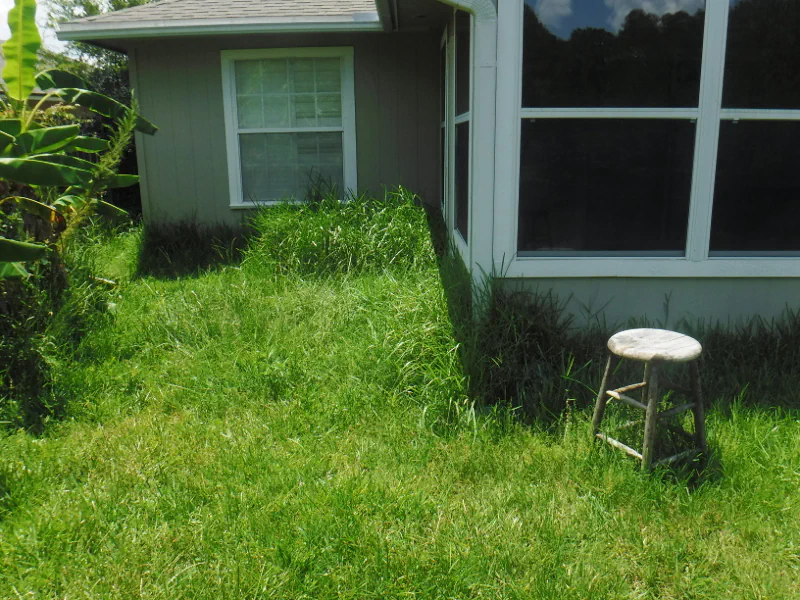
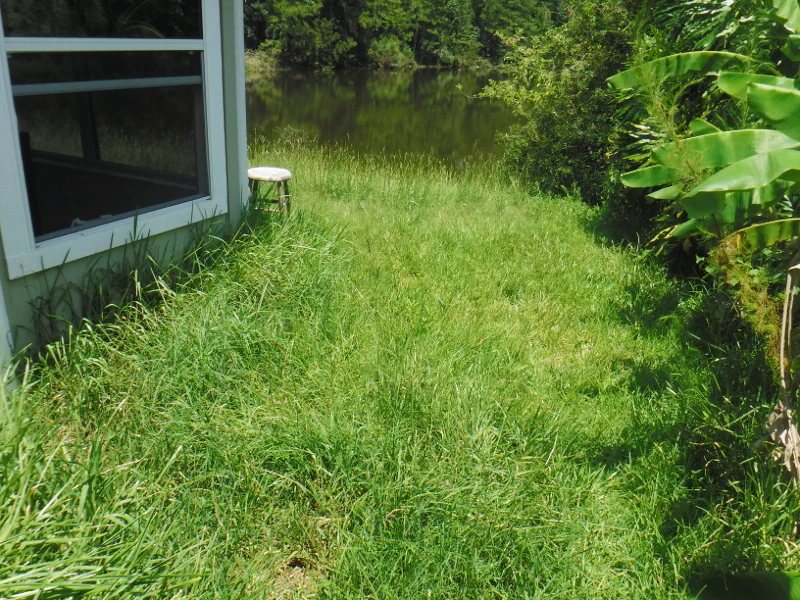
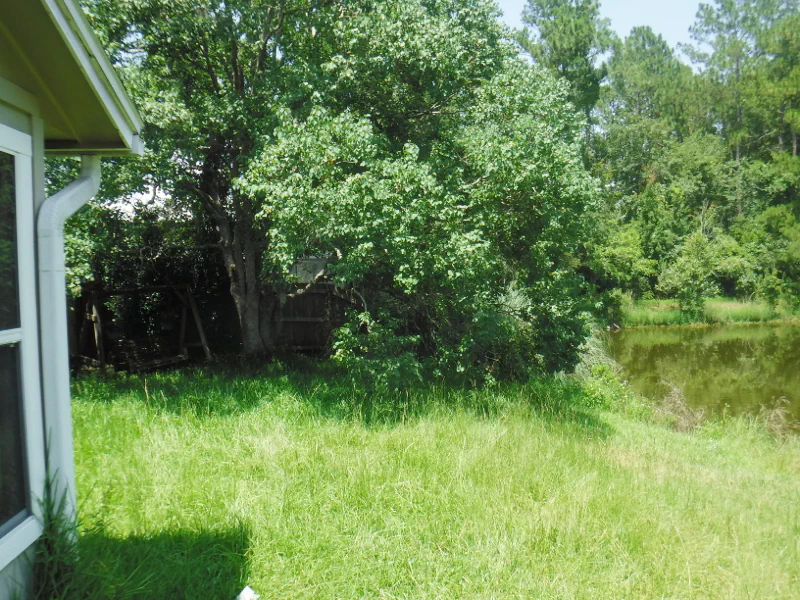
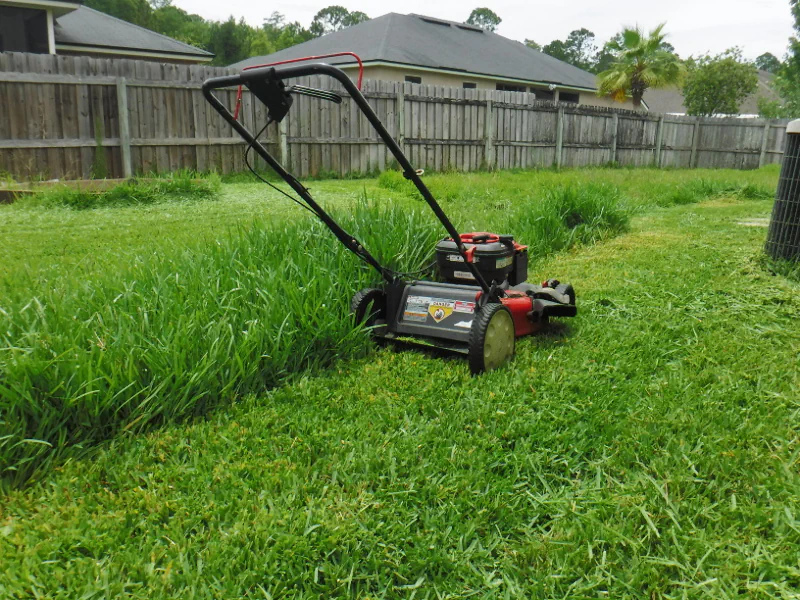
St. Augustine grass growing into the woods in Fleming Island. Untouched for at least five years.
Older and Most Common Cultivars
Floratam: By far the most widely used and readily available in our area. Compared to other cultivars, it has poor cold and shade tolerance. It thrives in warm weather and full sun and has some resistance to chinch bugs.
Palmetto: If you have a lot of shade, this is the go-to cultivar for you and is available at most local sod farms. It has slightly shorter leaf blades, does well in partially shaded areas and some suggest it is drought resistant, though turfgrass experts from the University of Florida have noted that his hasn’t been backed up by research. (The Florida Lawn Handbook, 3rd edition)
Newer, Widely Available Cultivars
ProVista: A newer, more premium cultivar that is widely available, requires up to 50% less mowing, good weed resistance and improved shade resistance compared to older cultivars.
CitraBlue: Gaining in popularity and released by the University of Florida in 2018. It has a deep blue-green color, requires reduced maintenance and is claimed to have high disease resistance and tolerates partial shade.
At Kelly Lawn & Property Maintenance, we’ve been mowing and maintaining beautiful St. Augustine grass lawns since 2014. If you’re located in Orange Park, Lakeside, Fleming Island, Lake Asbury or north east Middleburg, FL and you’re interested in a quality, reliable mowing service then give us a call at 904-263-8288.